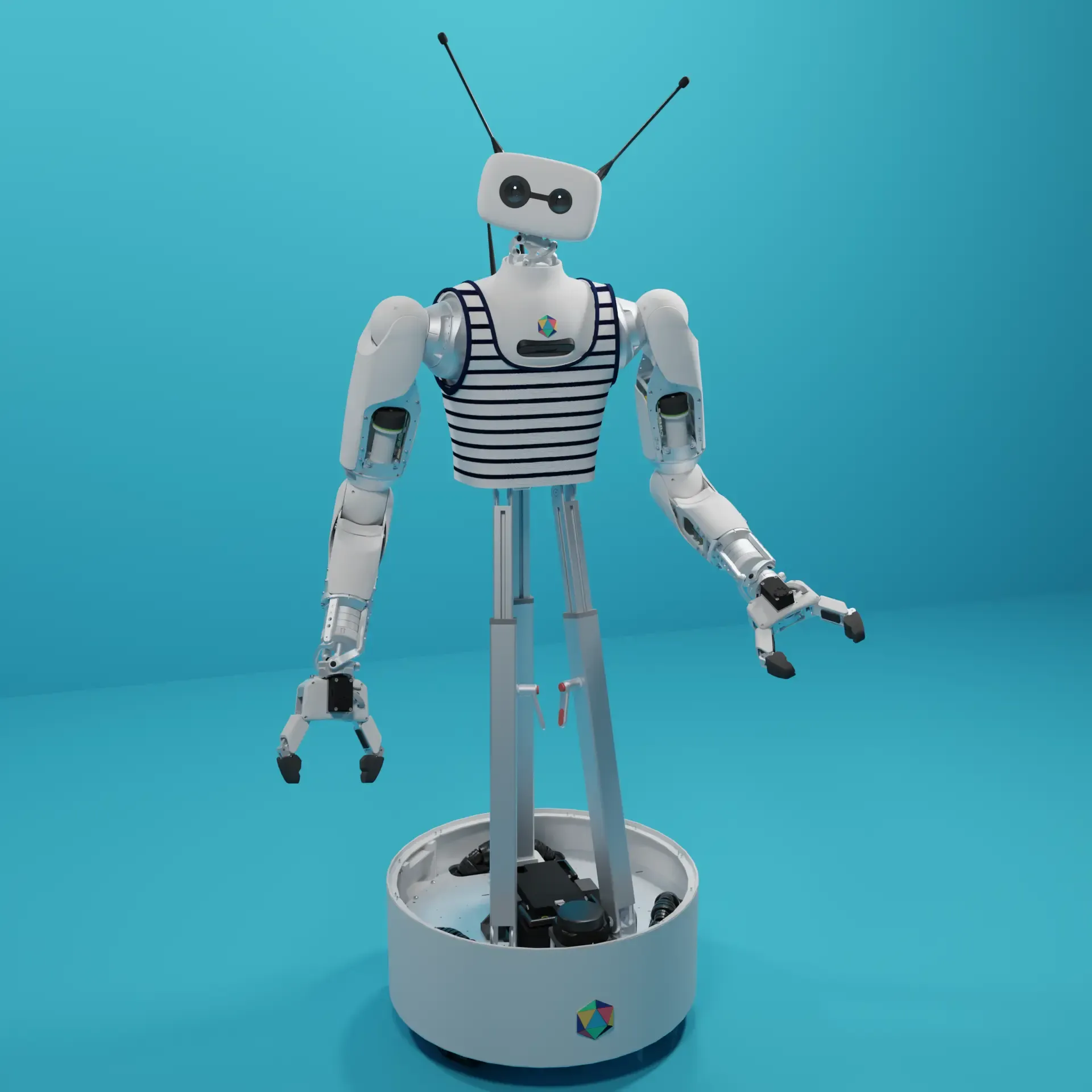
The lab values Reachy's expressive-but-non-human design for avoiding the uncanny-valley effect, and built a virtual twin of the robot for training so students aren't limited by having only one physical unit; the researcher frames the lab's work as exploring "how can we make that experience more cohesive and welcoming" as humanoids move into shared human spaces.
- Expressive, non-humanoid-face design avoids uncanny-valley discomfort in HRI studies
- Open-source hardware/software lets the lab share findings across the robotics community
- A simulated version of Reachy lets multiple students train concurrently without wearing down the one physical robot
İncelemenin tamamını Michigan Tech Unscripted adresinde okuyun →