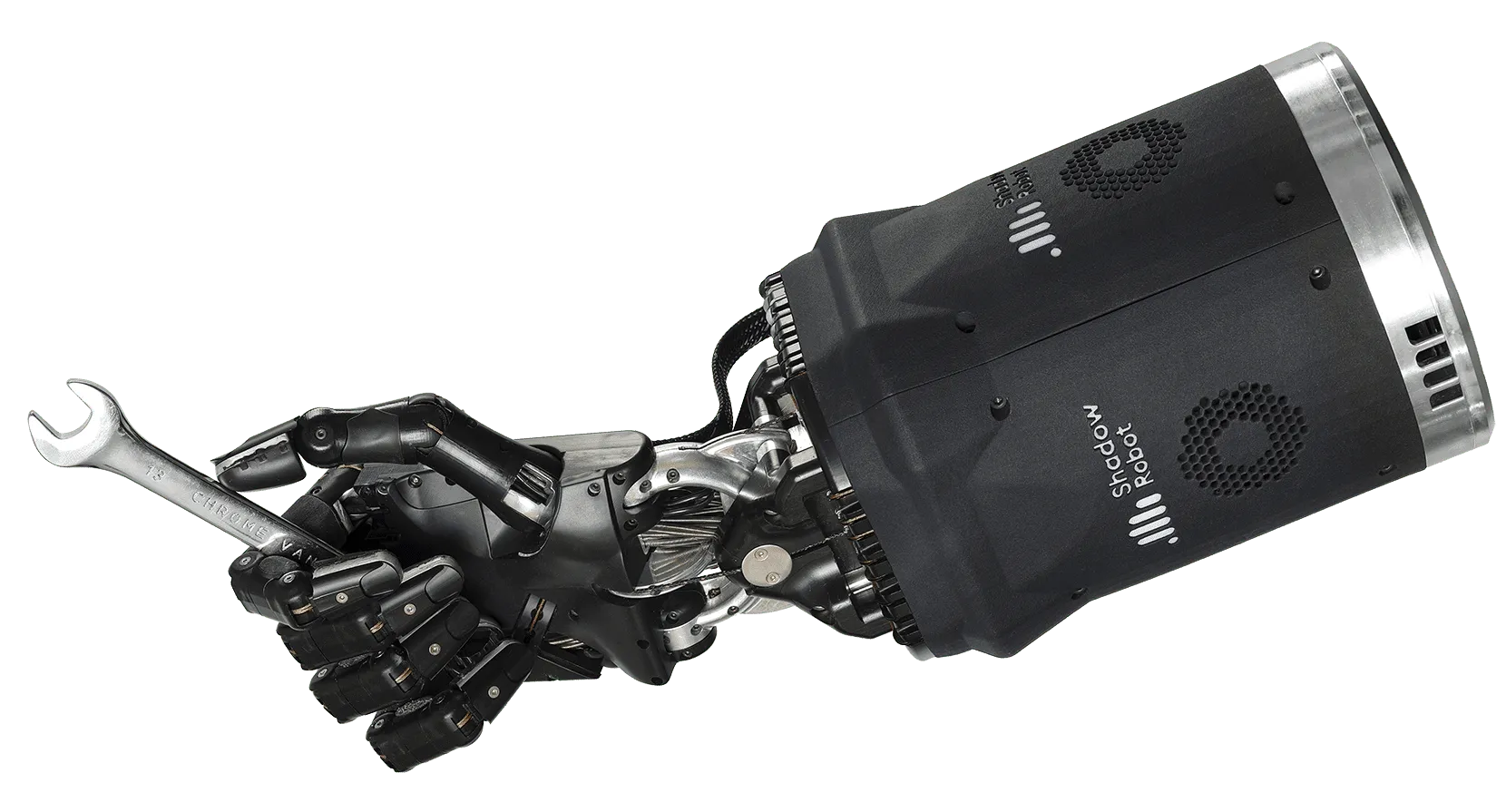
The authors report that hardware breakage was one of the key challenges they had to overcome, stating results "proved to be challenging due to robot breakages during experiments" and identifying the vertical joint as "the most common source of robot breakages, probably because it handles the biggest load," while also describing the extensive manual sensor calibration the hardware required.
- 24-DoF tendon-driven dexterity allowed learned policies to transfer from simulation and perform complex in-hand reorientation
- Extra degree of freedom in the little finger let policies use it preferentially for precision grasps
- Frequent robot breakages during long experiments, especially at the vertical joint under load
- Repairs took time and altered the system, forcing results to be gathered at different times/configurations
- Required extensive manual sensor calibration against motion-capture ground truth
Lire le test complet sur OpenAI, "Learning Dexterous In-Hand Manipulation" (arXiv preprint) →